Order will take effect following a 14-day notice period and remain in effect for up to one year
The following is straight from the office of Gov. Maura Healey and Lt. Gov. Kim Driscoll and the Department of Public Health. More reporting and reactions to come, but for now here’s what the state has to say about this sudden action …
Governor Maura Healey today announced new actions to protect Massachusetts residents from dangerous and largely unregulated kratom products, including an emergency order restricting the sale of kratom across the state and new efforts to educate the public about the health risks and connect people with treatment and recovery services.
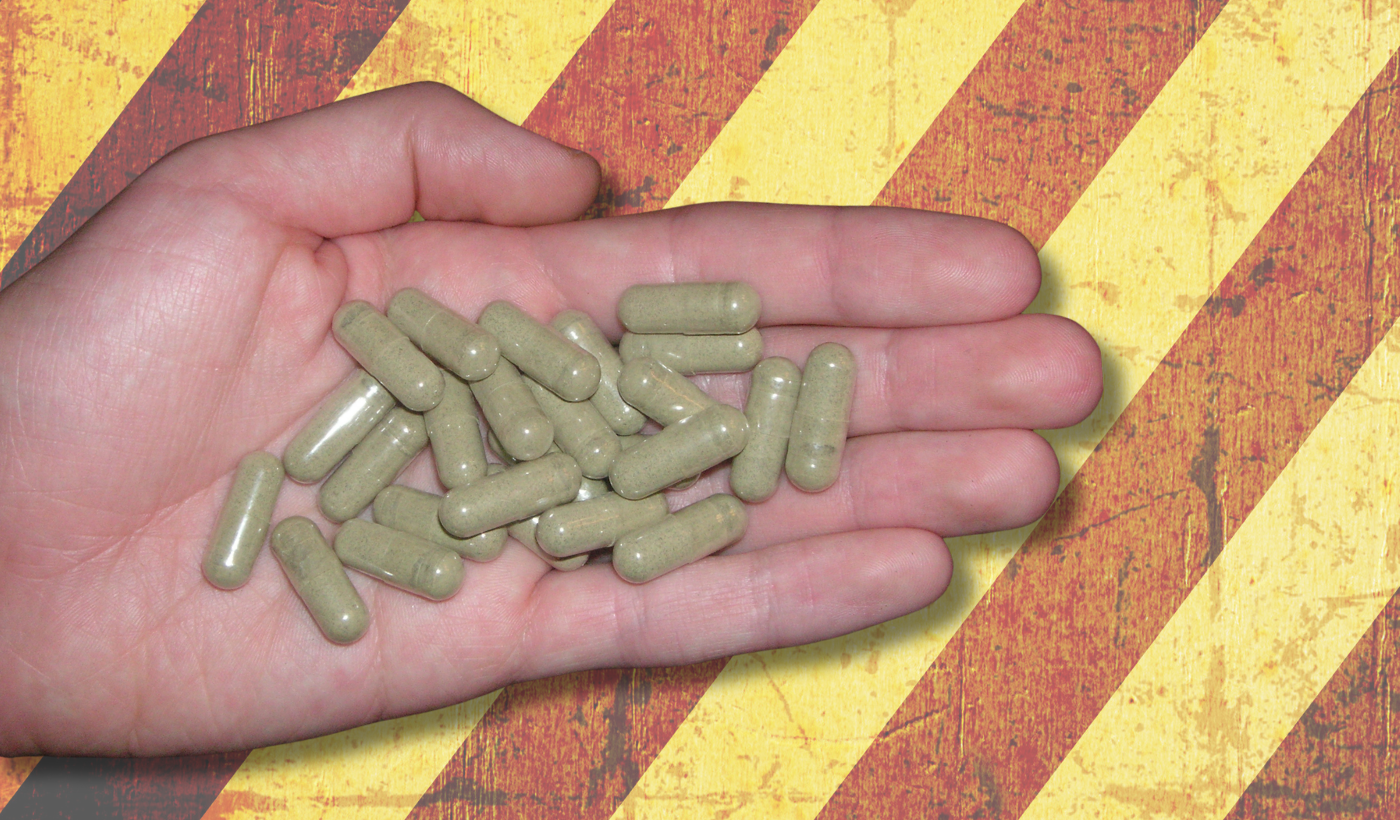
Kratom is widely sold in smoke shops, convenience stores, and gas stations in the powders, tablets, capsules, gummies, dissolvable strips, and other forms. Kratom products have, to-date, been largely unregulated and products can vary significantly in their potency and ingredients, making it difficult for consumers to know what they are purchasing or the potential health risks. Regular kratom use can also lead to physical dependence and withdrawal symptoms similar to opioid withdrawal.
“Dangerous kratom products are being sold in stores across Massachusetts with little oversight, and people – including children – often have no way of knowing what they’re buying or how potent it is,” said Governor Maura Healey. “Customers should be able to trust that the products being sold in stores are safe. We’re taking action to protect young people and residents, give communities the tools to get dangerous products off store shelves and make sure anyone struggling with dependence can get the treatment and support they need.”
“Kratom is increasingly available in stores and comes in many different forms and potencies, but many people may not realize the serious risks associated with these products,” said Lieutenant Governor Kim Driscoll. “We’re making sure residents understand those risks, know how to respond in an emergency and can access treatment and recovery services if they need help.”
Department of Public Health Commissioner Robbie Goldstein, MD, PhD, has issued an emergency order temporarily placing all forms of kratom into Schedule I under Massachusetts law. The order will take effect following a 14-day notice period and remain in effect for up to one year. It will give local boards of health and other municipal officials additional authority to take enforcement action against retailers selling kratom products.
As part of the statewide effort, DPH is also providing information and guidance to local boards of health, health care providers and substance use treatment programs about the new restrictions, the health risks associated with kratom and available treatment and recovery services. DPH will also hold an informational webinar for local public health officials to support implementation of the order.
“In public health, we need to be nimble, responding to new and emerging threats with evidence-based actions,” said DPH Commissioner Goldstein, MD, PhD. “Kratom is increasingly being used by youth and adults, and many are unaware of the risks, including overdose, dependence, and serious health consequences. Our goal is to protect the public while getting those who need treatment or support the care they deserve.”
Kratom is a leafy plant native to Southeast Asia containing naturally occurring substances, including mitragynine and 7-hydroxymitragynine (7-OH). Depending on the amount and potency, kratom can produce stimulant-like or opioid-like effects. Some newer products contain highly concentrated or laboratory-modified compounds that can have significantly stronger opioid-like effects.
Kratom use has been associated with a range of health effects, including seizures, hallucinations, psychosis, physical dependence and withdrawal symptoms.
Kratom also carries a risk of overdose, particularly when highly potent products are used, products contain unknown substances, or it is combined with opioids, alcohol, benzodiazepines or other sedatives. While uncommon, kratom-related deaths have been reported, particularly when kratom is used with other substances or by people with underlying health conditions.
If someone who has used kratom has slowed or stopped breathing, naloxone should be administered immediately. Naloxone is available without a prescription at pharmacies and many retail locations across Massachusetts.
Treatment is available for people experiencing kratom withdrawal or dependence, including medications, counseling, peer support and behavioral health services. Individuals seeking help for themselves or a loved one can call or text “HOPE” to 800-327-5050 to reach the Massachusetts Substance Use Helpline, which is available 24 hours a day, seven days a week.
DPH has also launched new resources at mass.gov/kratom to help residents understand the risks, recognize the signs of an overdose, learn how to respond to an overdose and access treatment and recovery services.