
The Massachusetts legislature’s plan to “modernize” the Cannabis Control Commission risks shattering its newfound momentum
This past week, Massachusetts House Bill 5350, an Act modernizing the commonwealth’s cannabis laws, finally emerged from the shrouds of conference committees and rapidly cleared votes in the state House and Senate.
Key provisions of the measure would shrink the Cannabis Control Commission’s governing board down from five to three members, grant sole appointing authority of commissioners to the governor, and remove the current commissioners, effective immediately upon signing.
As the long-awaited omnibus bill sits on the desk of Gov. Maura Healey, I’m writing to share my perceptions, along with a warning: You break it, you bought it.
The past six months have seen unprecedented productivity from the CCC, remarked upon by many stakeholders. A few highlights include the completion of regulations for social consumption, a Red Tape Removal Working Group, extensions of social equity programs, development of protections for workers and consumers, and reforms of procedures within the commission.
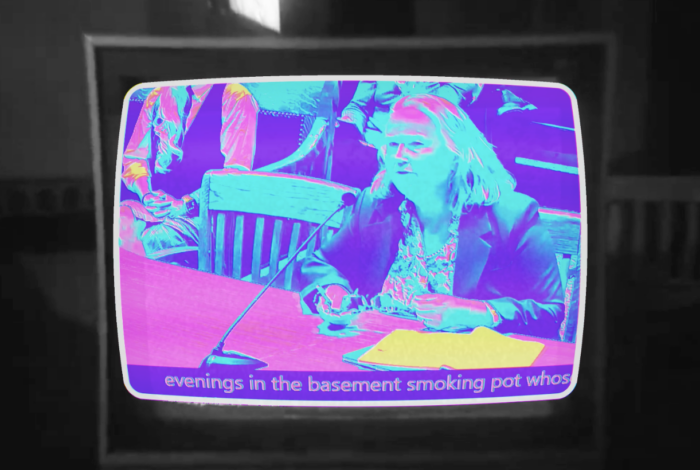
For several years, I have watched the publicly-streamed meetings of the CCC closely, observing the board through several abrupt changes of membership. In spring and summer of 2023, it appeared to me that the research and writing which were supposed to happen off-camera weren’t getting done, and that Chair Shannon O’Brien was seeking answers from the staff that she wasn’t getting.
I recall when O’Brien disappeared. At one subsequent meeting, it was actually uttered, “We have no chair.” After some humiliating moments and multiple votes, Commissioner Bruce Stebbins filled the acting chair in late 2024. Meetings got faster and the embarrassing sparring mostly ceased. There have still been hindrances due to unpreparedness, but overall the board’s productivity concerning the development of regulations and other matters of substance have improved.
Since O’Brien returned to the chair seat last year, the CCC has shifted into a different gear. One of her first actions was to reorganize the agency’s working groups and committees, adding either herself or Commissioner Kimberly Roy, an ally on multiple reform initiatives, to nearly every one. She also publicly brought up open investigations and noted past and ongoing commission failures, including a lack of independence and autonomy in its research department.
When lawmakers began drafting this enormously impactful bill, the narrative of a CCC marred by conflicts of authority was accurate, and a statutory solution appeared necessary. The past six months, however, have seen less concerning actions, and the need for statutory correction is less evident.
Industry stakeholders have spoken to me passionately, especially lamenting the prospect of losing Chair O’Brien and Commissioner Roy, whom they perceive to be driving progress. I share the concern, having watched as the former in particular pushes longstanding stakeholder complaints onto the agenda, while the latter does most of the writing.
In the rare times when such an effective team is assembled in state government, it is a risky move to shake things up, and Gov. Healey should take this all into consideration. A board of three commissioners would be limited to communicating with each other only in public meetings, broadcast to us all. If the productivity drops as a result of another change, we will certainly be watching and reporting.