“It is deceptive, it is destructive, and it will do nothing except shift total market control to street dealers.”
From this point forward, there won’t be many dull days in the fight to preserve recreational cannabis in Massachusetts. Today, however, was especially eventful.
Following a week that featured testimony at the State House and a major organizing event for the opposition to a measure to close pot shops, this afternoon a small group of commonwealth companies filed a “lawsuit targeting the constitutionality of a ballot initiative that would overturn the legal adult-use cannabis market approved by voters in 2016.”
We’ll be covering this thoroughly moving forward. For now, here’s more from the announcement via Stem of Haverhill, whose owner Caroline Pineau is among the plaintiffs:
The lawsuit, filed with the Massachusetts Supreme Judicial Court against Attorney General Andrea Campbell and Secretary of State William Galvin, states that the initiative, titled an “An Act to Restore Sensible Marijuana Policy” fails constitutional muster in three key ways—it bundles unrelated subjects in a way impermissible by the law governing initiative petitions, it features a misleading and deficient summary by Campbell, and it eliminates an established state grant program.
Pineau called the lawsuit, filed by attorney Adam Fine, a partner at the Boston law firm Vicente LLP, a “clear and concise indictment of a dangerous ballot petition.”
The lawsuit states: “On its face, the Petition is a classic example of logrolling, which Article 48 [the law governing initiative petitions] prohibits. Its so-called ‘sensible policy’ is an incoherent combination of repeal of adult-use marijuana, elimination of protections for professionals, dismantling of social equity initiatives, elimination of public safety protections, and purported measures relating to youth, among other things.”
Fine pointed to the summary written by Campbell’s office and the petition’s elimination of the state’s Social Equity Program as particularly egregious elements contained in the initiative. The lawsuit calls the program elimination an “unconstitutional regulatory taking.”
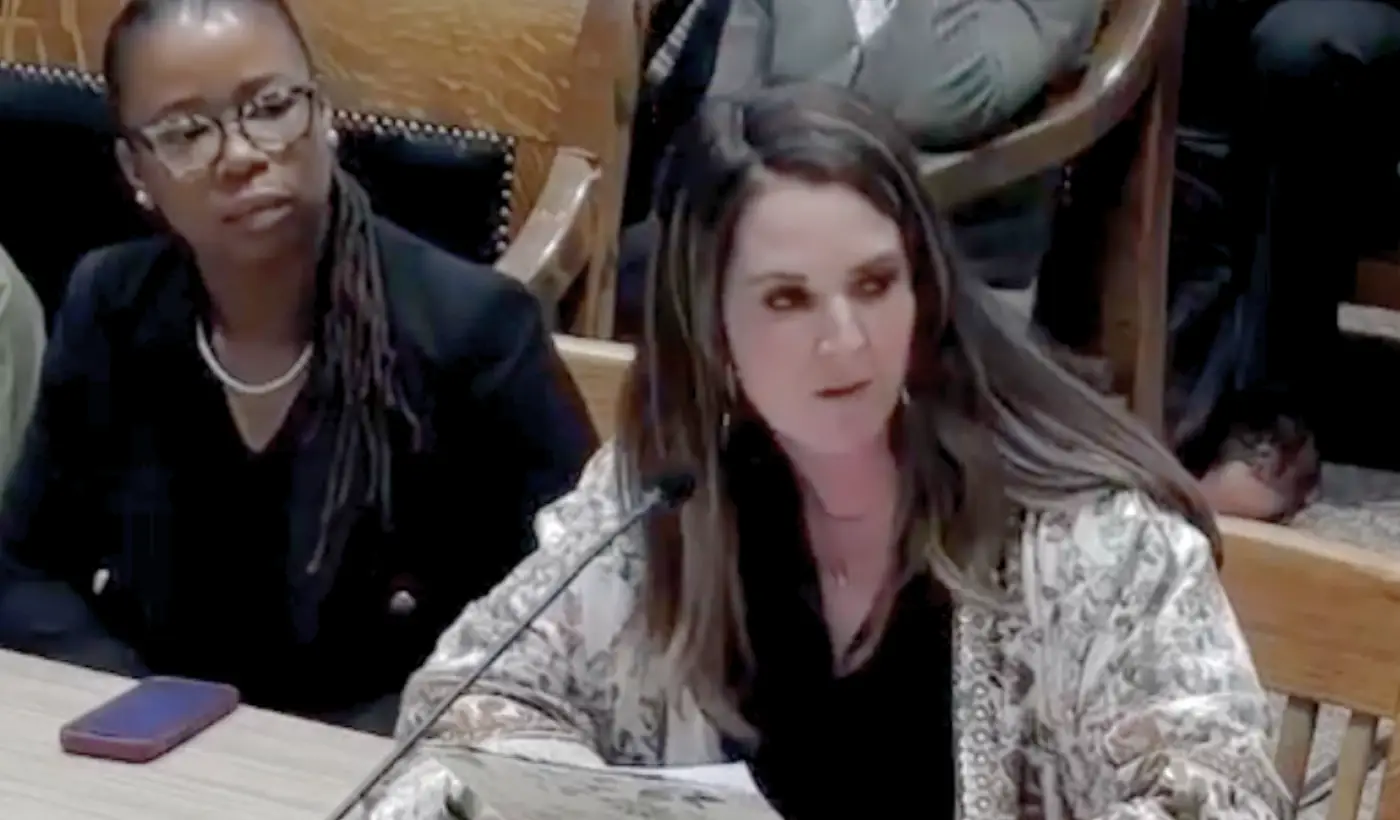
“Beyond the astonishing cruelty of eliminating 800 taxpaying businesses and throwing tens of thousands of people out of work in the middle of an affordability crisis, this out-of-state driven initiative fails basic constitutional tests,” Pineau said in a statement. “It is deceptive, it is destructive, and it will do nothing except shift total market control to street dealers who don’t check IDs and don’t pay taxes.”
“These plaintiffs, and many like them, are small business owners who rely on the Social Equity Program and who stand to lose their livelihood if this measure succeeds,” Fine said. “This ballot question bundles unrelated and contradictory subjects under a title designed to deceive voters. The attorney general’s summary compounds the problem by failing to inform voters that the petition would eliminate the Social Equity Program entirely, and by omitting numerous other material consequences. It leaves voters without the information they need to make a meaningful and informed choice.”
The additional plaintiffs are “Gyasi Sellers, founder and CEO of Treevit LLC in Athol, and Lisa Mauriello and Boey Bertold, majority owners of Paper Crane Provisions, LLC in Hubbardston.”