A century apart, the messy birth of the ABCC and the CCC remind us that today’s cannabis drama is a predictable chapter in the commonwealth’s ugly history with prohibition
A “license gold rush.”
Clashes over the “fitness” and “suitability” of applicants.
Controversies over population-based quotas.
Power struggles between state regulators, Beacon Hill lawmakers, and local officials from Cape Ann to Amherst.
Accusations of favoritism. And worse.
Lawsuits. A shitload of ’em, some against the regulators.
It was a tumultuous first ten-or-so years for the Massachusetts Alcoholic Beverages Control Commission, but somehow its appointed members and supporting staffers pushed through the pain.
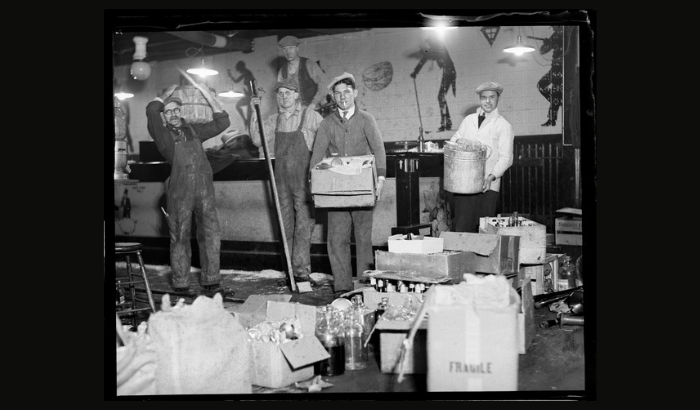
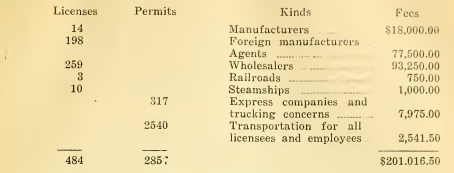
The so-called “license gold rush” exploded like a pistol following the repeal of the 18th Amendment prohibiting alcohol. According to the ABCC’s first annual report, “Within a few hours after their appointment on April 7, 1933, the members of the Commission entered upon the performance of their duties. Because of the lack of time in which to have prepared proper applications and license or permit blanks, it was necessary in the beginning to issue temporary licenses and permits.”
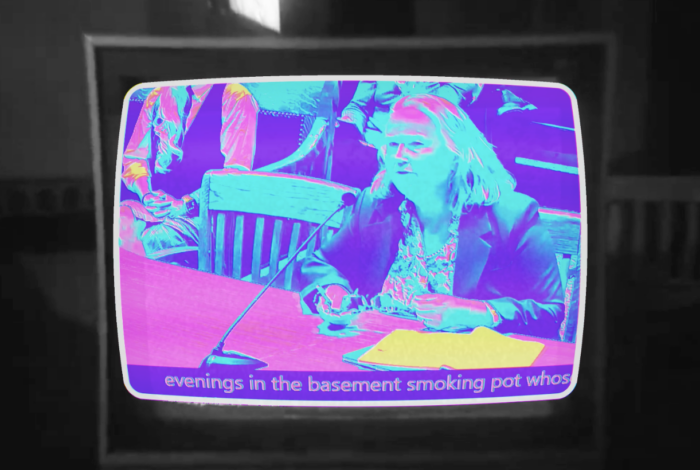
You see where this is going. The comparisons to the first decade of state-regulated weed under the Cannabis Control Commission are innumerable. In some cases, they’re downright uncanny. Consider, for example, accusations from back then that hooch regulators cooked their annual reports to fit a predetermined narrative, alongside recent revelations about the CCC’s latest industry overview.
At the same time, there are some dramatic differences, especially regarding which applicants qualified to secure licensure. Whereas marijuana regulators prioritize past criminal pot offenders in various ways including through the state’s Social Equity Program, early booze bureaucrats worked relentlessly to keep bootleggers out of their new industry. In part to prevent industry domination by a few rumrunning fat cats, the ABCC is still set up so that alcohol, producers, wholesalers, and retailers have to be separate independent entities, while vertical integration is permitted with cannabis.
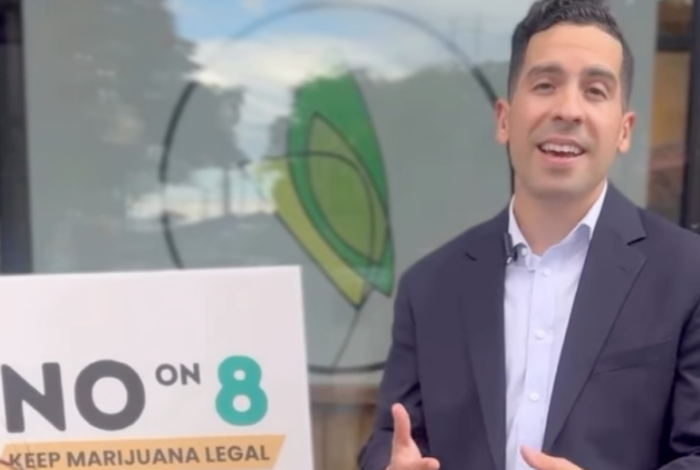
Such minor discrepancies aside, as we enter this new year staring down the barrel of a statewide ballot question that could end the billion-dollar adult-use industry, there’s at least one imminently critical commonality to consider. Namely, the state’s sellers of beer, wine, and spirits have endured relentless prohibitionist harassment in the face of their legal status for nearly a century, and still lived to sell the ale …
Like with weed, there were hundreds of cities and towns that initially kept the champagne corked using a “local option” strategy; more than 90 years later, there actually remain a handful of holdouts plus some “moist” Mass towns with partial bans. Years later, there were the drinking age battles of the 1970s, resulting in three changes to the law in 12 years, followed by the temperance wars of the ’80s which got us our still-standing embarrassing happy hour ban. That’s all atop a famously puritanical backdrop and political parallels which include a former US president whose family scaled to the summit of the American caste system by shadily importing whiskey.
Two-thousand-twenty-six will surely bring more disappointment and drama from Mass cannabis regulators. It will also bring in hundreds of millions more in tax revenue along with several reforms and, hopefully, tangible progress toward licensed social consumption. And while grandstanding lawmakers itching to reshape the CCC, arch prohibitionists gunning for pot shops, and the complicit moron media will focus on the negatives in their campaign to move us backwards, it’s up to the rest of us to push the industry and culture forward.