Leader of advocacy group charges that signatures were gathered through ‘fraudulent means’
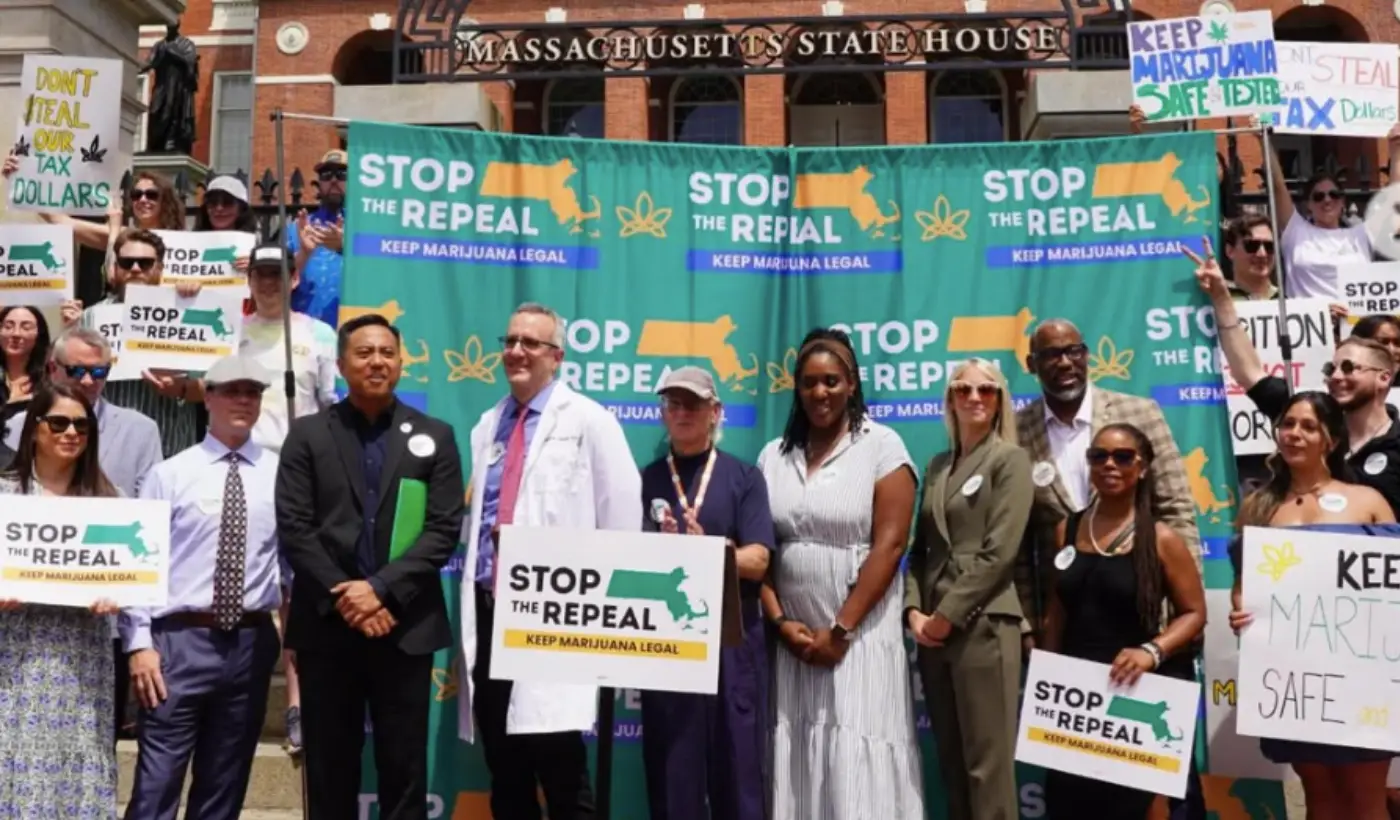
You can read CommonWealth Beacon’s coverage of this breaking news story below. In addition, Stop the Repeal Campaign Chair Ryan Dominguez told Talking Joints Memo the following about “yesterday’s court filing from the Stop the Repeal Campaign challenging the questionably-gathered signatures on the ballot question that threatens to repeal regulated recreational cannabis here in the Commonwealth” …
“Yesterday the Stop the Repeal campaign filed a motion to challenge the signatures collected to repeal the legal sale of recreational marijuana, an existential threat to our state’s economy, the financial well-being of thousands of Massachusetts families, and public health and safety of all Bay Staters,” Dominguez said.
“We are committed to protecting the safe, tightly regulated marijuana industry that Massachusetts voted into existence nearly 10 years ago. We will continue to work alongside a coalition of Massachusetts business owners, champions in the industry and supporters who are already educating and activating voters on the harmful impacts of this regressive question funded by out-of-state special interest groups.”
Don’t call it a record-tying field of nine ballot questions quite yet.
The controversial proposal to repeal recreational marijuana legalization drew yet another legal challenge, this time a late-arriving objection before the State Ballot Law Commission contending that the dark money-backed campaign collected voter signatures through illegitimate means.
Secretary of State William Galvin’s office on Thursday certified 12,551 signatures in support of putting the measure before voters in November, narrowly clearing the 12,429 required.
But Kevin Gilnack, who leads a cannabis advocacy group, alleged that an unspecified number of those signatures should not count because they were “obtained through fraudulent means,” came from people who subsequently asked for their names to be removed, contain formatting errors or stray marks, or involve other concerns.
The campaign only qualified for the ballot by a margin of 122 signatures in the most recent, final round, leaving little room for error should regulators find that Gilnack’s claims carry weight.
The State Ballot Law Commission will hold a hearing on July 15, and again in the following days if needed, to weigh the challenge.
It’s the latest twist in a dramatic fight over the state’s recreational marijuana industry, which voters approved via a statewide ballot question in 2016 and has since become an economic engine generating billions of dollars in sales and tax revenues.
The commission in January turned aside a previous objection alleging the campaign misled voters by telling voters the petitions they were signing tackled other topics, like affordable housing. Opponents then turned to the state’s highest court, where they argued that the question should not have been certified as eligible to go before voters over a host of constitutional eligibility reasons. That failed, too, and the Supreme Judicial Court in June kept the proposal alive.
Wendy Wakeman, a Republican operative who serves as the campaign’s spokesperson, described the latest challenge brought by a cannabis advocate as “one last desperate attempt for big marijuana to keep this discussion from voters.”
“We’re confident our signatures will stand,” Wakeman said.
In its early months, the push to undo the 2016 legalization vote had been funded entirely by SAM Action Inc., a national anti-recreational drug organization that also backed a similar campaign in Maine. The group — which as a 501(c)(4) organization is not required to disclose its donors — was the source of all $1.55 million raised by the Massachusetts campaign last year.
It’s not yet clear if other funders have gotten involved in 2026 because state law leaves a nine-month blackout period in which ballot question proponents and opponents do not need to submit any new financial data. The next reports are due on September 21.
Lawmakers are coalescing around a push to close that window and require ballot question campaigns to file fundraising and spending reports at least every month, similar to candidates running for state offices.
The anti-recreational marijuana question is one of nine on track to appear before voters in November, which would tie the record for the most statewide ballot measures last set in 1994.
This article first appeared on CommonWealth Beacon and is republished here under a Creative Commons Attribution-NoDerivatives 4.0 International License.