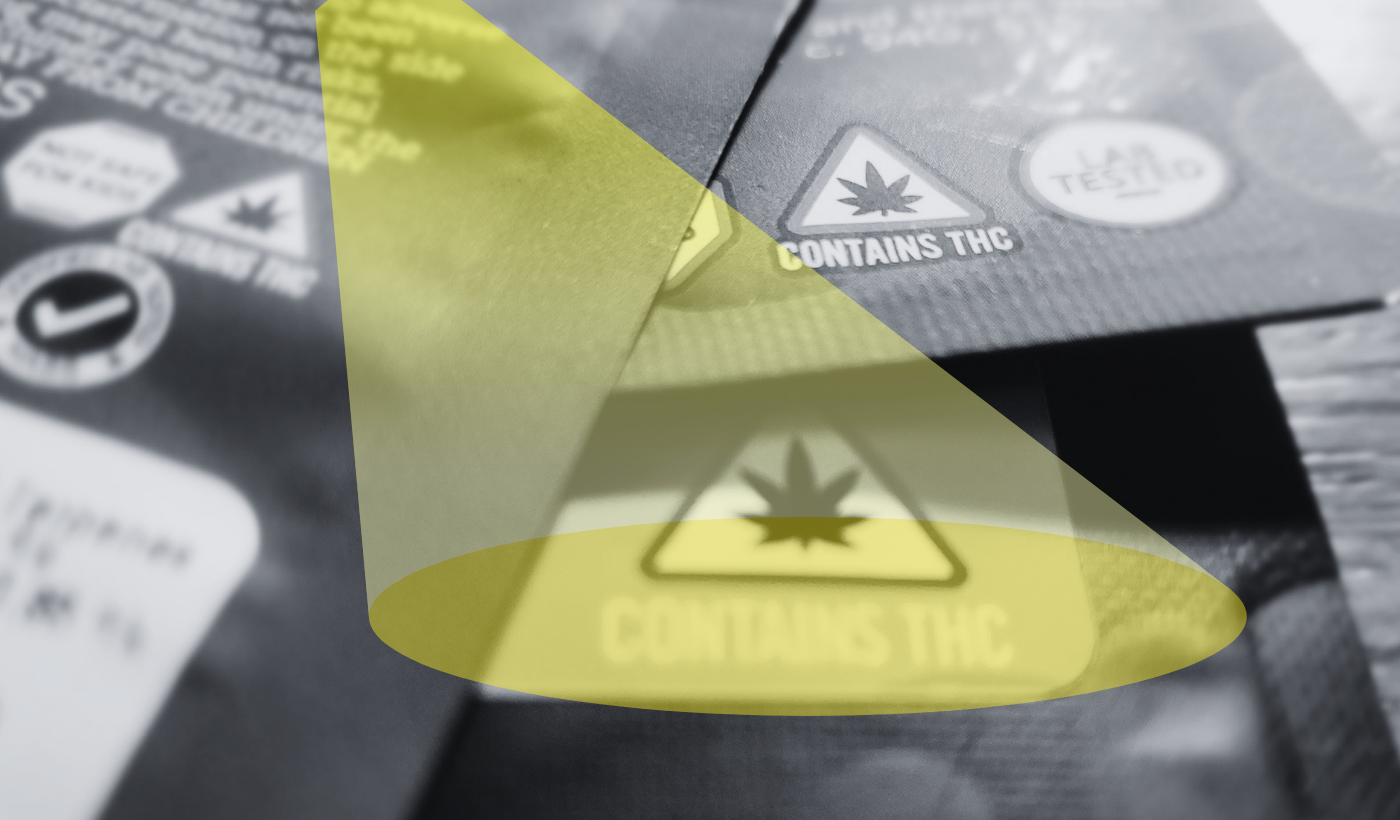
“Massachusetts Cannabis Control Commission to begin auditing THC potency on labels”
THC potency is an intensely complicated topic in cannabis, including in the Massachusetts industry.
For one, there is the pressing issue of lab testing fraud. As a result of customers and therefore producers seeking high THC levels, many of the state’s Independent Testing Laboratories have reported existential pressure to bend their results upwards. This struggle has resulted in fines and lawsuits and facilitated closures.
There is also the issue of THC limits—how much a particular product or dose can contain—which has its own complexities. While politically, there are prohibitionists who seek to lower the permissible amounts.
With some exceptions, in which the Cannabis Control Commission consulted ITLs and other stakeholders for situational assessments, regulators have mostly soiled the sheets on this subject, fostering irreparable damage to the industry, its reputation, and more.
That neglect includes failing to implement a secret shopper program. Under Massachusetts law, “the Commission or a Commission Delegee … at any time and without prior notice, [can] authorize an employee, outside vendor or contractor, or other agent to pose as a customer and purchase any Marijuana or Marijuana Products from any registered or licensed [dispensary] … for any investigative purposes [including] investigative testing for compliance with laboratory testing standards and identification check requirements.”
Despite dropping the ball up to now, the CCC has, however, paid more attention to this topic in the past few months, and despite major changes at the agency including a complete overhaul of board members, it appears that momentum will continue. On Friday, the commission announced that it will “begin auditing THC potency on labels.” We will follow up with analysis and further coverage soon, but for now here is the CCC announcement in full …
To ensure full compliance with Massachusetts Cannabis Control Commission (Commission) regulations, the agency is auditing THC potency levels sold to Massachusetts residents on product labels as part of its mission to ensure public health, safety, and welfare, the agency announced Friday.
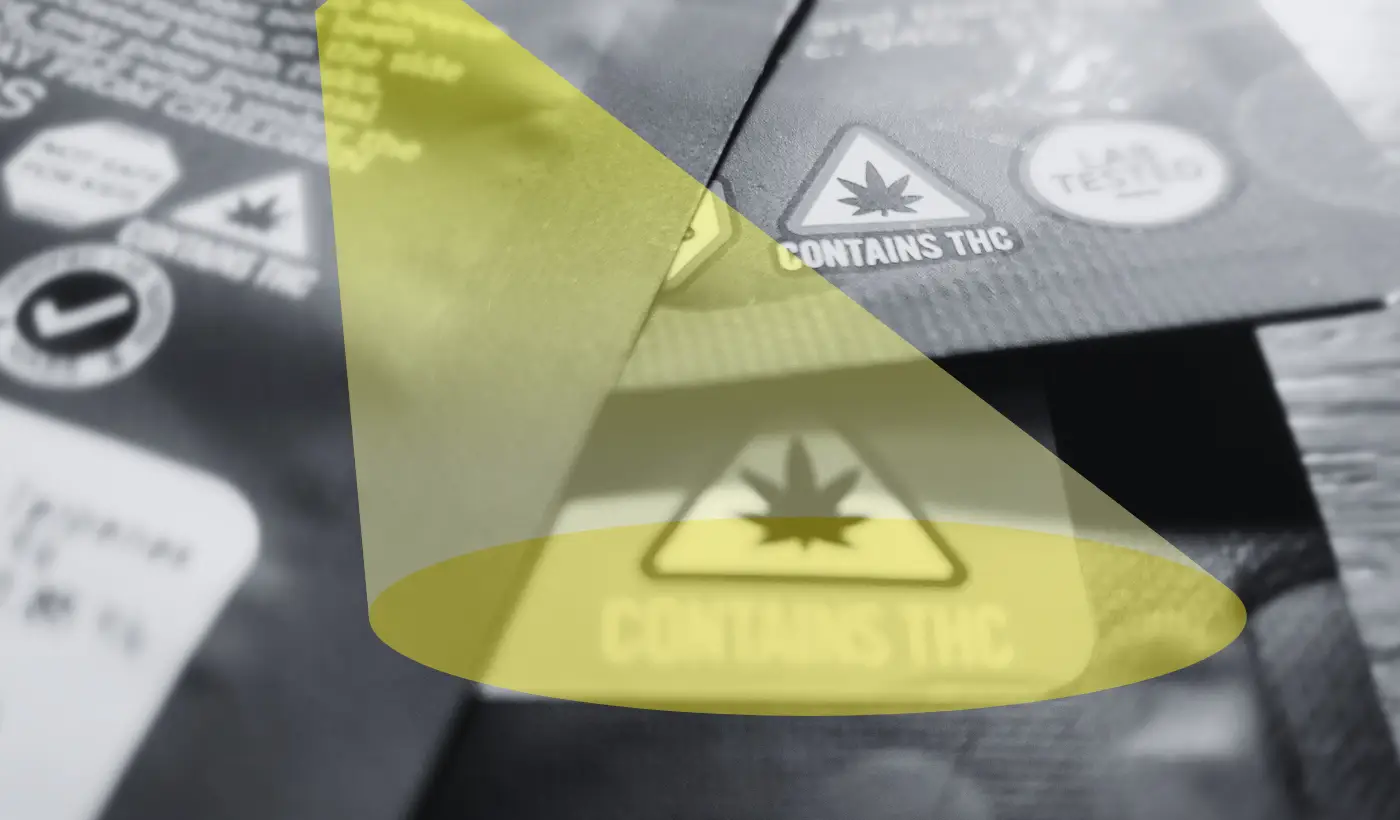
Under Commission regulations, marijuana and marijuana products marketed and sold to consumers and patients must bear a label detailing types of cannabinoids and their respective amounts. The state’s 11 Independent Testing Laboratories (ITLs) evaluate THC content as part of required product testing.
If the agency determines a product’s THC potency is beyond 75 to 125 percent of what is reflected on the label, it would be considered out of compliance and removed from the market through administrative action until the issue is resolved.
- Example: A product labeled at 15% THC has an acceptable range from 11.25% to 18.75% THC. Therefore, if, during an audit, a product tested at 4% THC, it would be out of compliance. Alternatively, if it tested at 12% THC, it would be compliant.
To establish this standard, the Commission considered those imposed by other jurisdictions, available research, and a Commission-initiated comparison study of existing ITL test results.
“Verifying that marijuana and marijuana products are accurately labeled is critical to the Commission’s mission of safely, equitably, and effectively providing Massachusetts residents access to this industry,” Executive Director Travis Ahern said. “This effort aims to improve patient and consumer awareness statewide and takes into consideration that THC potency is variable for marijuana flower products, it degrades over time when it is stored, and other factors.”
In addition to limiting the sale of products found to be outside the 25 percent threshold, the Commission may also refer matters involving mislabeled products to the state Attorney General’s Office’s Consumer Advocacy and Response Division.
The Commission has in recent months undertaken numerous other efforts to improve product testing, including:
- Following a vote by Commissioners during the March 26 meeting, the Commission published the first package of testing protocol updates for review by ITLs;
- Creating an ongoing, internal testing task force, which resulted in the Commission issuing a Summary Suspension Order (SSO) to Assured Testing Laboratories in June following a monthslong investigation into falsified test results. That order resulted in a stipulated agreement that included a fine and a major overhaul of the laboratories personnel and policies;
- Hosting bi-monthly meetings between Commissioners, the Executive Director, Investigations and Enforcement staff, and representatives from ITLs to discuss how to resolve cannabis testing issues;
- Hiring consultants to audit existing testing protocols and recommend improvements; following the release of new protocols in March, the Commission expects more recommendations throughout 2026;
- Requiring all licensed ITLs to upload digital Certificates of Analysis (COA) after every product test to document methods labs use to test products in compliance with regulations, and working with Metrc, the seed-to-sale tracking system, to make those COAs available to consumers and patients;
- Requiring licensed adult- and medical-use cannabis businesses to submit one test sample package to a single ITL for all compliance testing in accordance with the agency’s regulations and testing protocols;
- Publishing test results for THC% and THCA% to the agency’s Open Data platform;
- Entering into agreements with ITLs to function as reference labs for the Commission on an as-needed basis; and
- Holding a public listening session in late 2024 with ITLs to hear concerns about testing regulations.
Work is also underway at the Commission to implement Ch. 65 of the Acts of 2026, which includes a requirement to create an online portal to accept reports of alleged non-compliance. Work on a Commission tipline to intake such complaints has been underway and will expand to include an online component.
Constituents are encouraged to contact the Commission at (774) 415-0200 or Commission@CCCMass.com with information about improperly labeled products or other health and safety concerns. For more information, visit MassCannabisControl.com or follow the agency on Facebook, X, and LinkedIn.