
Cannabis Control Commission taps new force to thwart bureaucratic baggage, ease or axe old regulations that do more harm than good
The Massachusetts Cannabis Control Commission has been reexamining its bedrock regulations as the adult-use market grows and as prices—along with, for many operators, revenue—continue to decline.
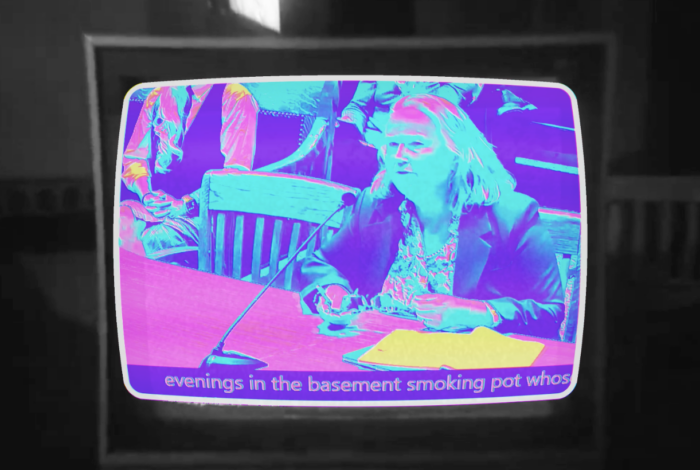
“How can we as a commission help [business owners] with the increasing costs, help them become more profitable, help them become better contributors,” CCC Chair Shannon O’Brien asked colleagues and cameras at the agency’s most recent public meeting, held last Thursday in Worcester.
In recent years, the commission has repeatedly worked on easing regulatory barriers, such as delivery businesses having to deploy two drivers in each vehicle, a mandate that effectively doubled primary labor costs. That long-looming hangnail, often referred to by CCC members as “low-hanging fruit” (despite a collective inability to efficiently extract said fruit), was finally remedied last year, but countless other rule-borne illnesses persist.
“As we move forward and we realize that some of the regulations that were in place made sense at the time, maybe no longer make sense or their utility has expired and maybe we can sunset some of these things,” Commissioner Kimberly Roy said at the meeting.
Who will make up the Red Tape Removal Committee
The new committee will include six CCC staff members, including Chief of Staff Andrew Carter and Chief Technology and Information Officer Paul Clark.
The commission is also inviting members from outside of the agency to participate. At last week’s meeting, Chair O’Brien, who has kept the CCC busy with calls for transparency since her reinstatement (following a long suspension and headline-grabbing return), noted this does not necessarily mean that those named have accepted the role.
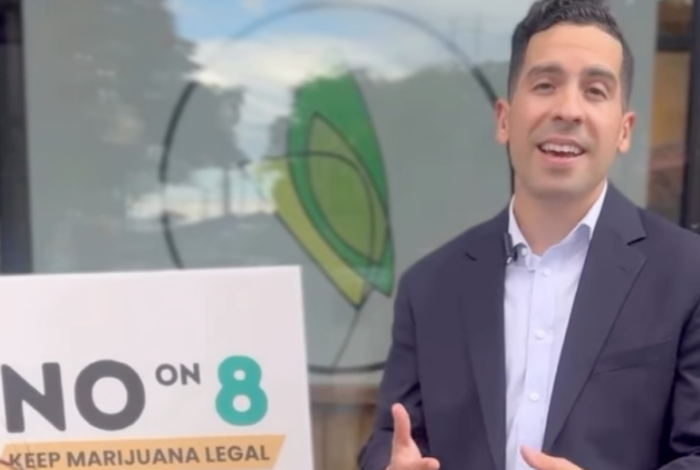
The list of stakeholders specifically identified include advocates such as Kevin Gilnack from Equitable Opportunities Now, David O’Brien from the Massachusetts Cannabis Business Association, and Ryan Dominguez, executive director of the Massachusetts Cannabis Coalition.
The chair listed about a dozen licensed operators from every notch on the cannabis supply chain, from cultivators who put seeds in the ground, to the licensee group of delivery operators that come to your doorstep.
“We are asking you if you would work with us on this informal group that will be making recommendations to the full commission,” Chair O’Brien said. “This is going to be a working group that will review regulatory work with an external consulting team.”
Origins of the RTRC
The formation of a Red Tape Removal Committee was originally discussed at the commission’s meeting on Oct. 15. Moving forward, the plan is for members to review input and generate formal recommendations by June 30, 2026.
“We would like to move more quickly on this, but that gives us a hard stop that we need to get this done,” Chair O’Brien said. In a more mature market than ever imagined with over 500 dispensaries statewide, she and others spoke bluntly about the challenges of catching up with the current industry.
“The concept came to me, not my own, but just after having done so many rounds meeting with stakeholders.” Commissioner Roy spoke about the formation of the streamlining posse at the October meeting: “This is a highly regulated, highly taxed, very challenging environment. … We’re looking at regulations now, and it’s time to evaluate the utility on some of these to see if there is still utility and if there isn’t, then perhaps [the CCC should be] … relaxing or revising some of these regulations that really no longer make sense.”
In October, commissioners voted to create the committee but the draft motion was not specific about who would be in the new group. At the December meeting, members amended the earlier motion with more specificity about potential membership.